Is “Brainrot” Ruining Language? A Linguist’s Guide to Memes, Slang, and Skibidi Toilet
The language of memes is a hot topic. If you are a young person, you have probably been told by a teacher or parent to put your phone away because scrolling through TikTok or YouTube is “rotting your brain”?
If you use words like skibidi, rizz, or sigma, adults might look at you like you are speaking an alien language. But as a linguist, I have a secret for you: you aren’t ruining the English language—you are participating in high-speed linguistic evolution!
Let’s break down how internet memes actually work, why slang is a superpower, and how a dancing toilet with 68 million views can teach us about human history.
1. What Actually IS a Meme? (It’s Older Than the Internet!)
You might think a “meme” is just a funny picture with text on top, but the word was actually invented back in 1976 by an Oxford scientist named Richard Dawkins.
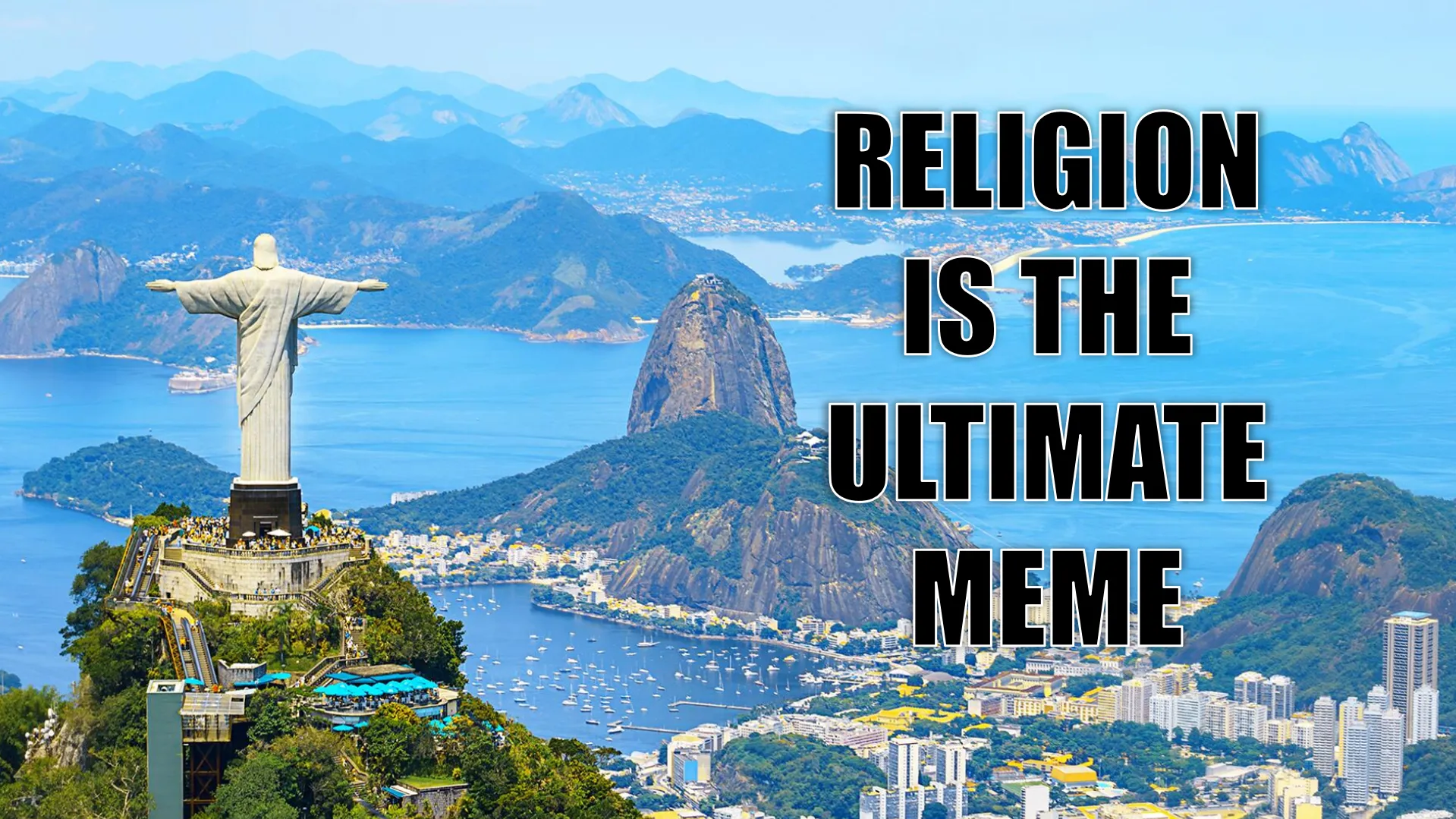
Long before the internet existed, Dawkins wrote a book called The Selfish Gene. He wanted a word to describe ideas, catchphrases, or tunes that spread from person to person by imitation. He called them “memes” (from the Greek word mimema, meaning “something copied”). Dawkins didn’t just stop at biology; he went straight for the cultural jugular. As a famously outspoken atheist, he views religion as the original, ultimate viral meme—a self-replicating idea that has successfully hijacked human neurology for millennia. In his wonderfully provocative 1991 essay, Viruses of the Mind, Dawkins drops all academic politeness, diagnosing religious beliefs as literal “mind-parasites” and classifying believers as “patients” or “faith sufferers.”
If you look at it through a digital lens, religion is simply the most successful memetic marketing campaign in human history. Long before algorithms were force-feeding us Skibidi Toilet, sacred texts functioned as the original viral copypasta. Consider the mechanics:
-
Chants and prayers: Ancient hashtag spamming to ensure the algorithm (God) pays attention.
-
Weekly rituals: The ultimate offline engagement metric designed to retain daily active users.
-
Evangelism: Built-in share buttons forcing users to spread the meme to new networks.
-
Excommunication/Heresy: The original cancel culture used to downvote and ban dissenting trolls.
According to Dawkins, religion didn’t survive because it was inherently true; it survived because its memetic coding was flawlessly optimised to be replicated, passed down, and fiercely defended from being deleted.
Image Macro vs. Real Meme
Take the famous cartoon of a dog sitting in a burning room sipping coffee and saying, “This is fine”:
-
An Image Macro: The single, original picture from the comic strip Gunshow by KC Green.
-
A Meme: What happens when the internet takes that image and mutates it!
When people edit the picture so the dog is replaced by a fish underwater saying “This is fine”, translate the text into Japanese (“Kore, daijoubu”), or caption it “Me studying at 11:45 PM the night before an exam”, that is a meme in action. The idea is self-replicating, evolving, and adapting to fit new situations.
2. The Secret Grammar of Internet Slang
Memes aren’t just random jokes; they have their own strict visual grammar that everyone online instinctively understands.
Visual Logic Gates
Think about the famous Drake Meme (from his 2015 music video Hotline Bling).
-
Top Panel (Hand up, looking disgusted): Reject X.
-
Bottom Panel (Smiling, pointing): Accept Y.
When someone edits a cat’s face onto Drake, rejecting an expensive $100 cat bed and accepting an empty cardboard box instead, everyone instantly gets the joke. You don’t need a caption explaining it—the image is the grammar.
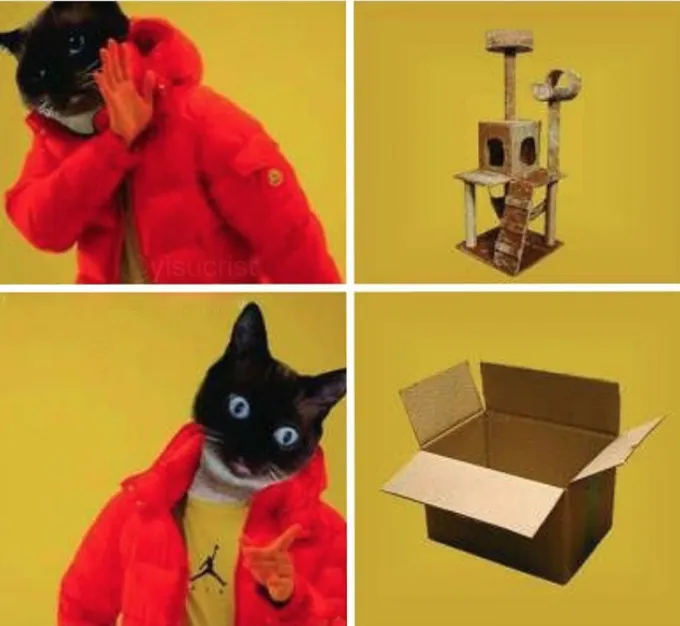
Drake’s Hotline Bling but Cats
[ Top Panel: Disgusted Drake ]  --->  Rejects expensive cat bed
[ Bottom Panel: Happy Drake ]   --->  Accepts plain cardboard box
How Laughter Crosses Languages
Linguists love watching how different cultures solve the same problem online:
-
English: Expanded “Laughing Out Loud” to LOL.
-
Japanese: Started with warai (笑), abbreviated it to w, typed long chains like wwwwwww (because the ‘w’s look like blades of grass growing), and finally condensed it into the kanji for grass: 草 (kusa)!
Both cultures invented a fast, visual way to show laughter without typing a full sentence.
Typos That Became Dictionary Words
Did you know some of the most famous internet words were created by accident? The word PWNED (meaning to totally defeat an opponent in a game) was created when an early video game developer made a typo on his keyboard, accidentally pressing ‘P’ instead of ‘O’ when trying to type “OWNED”. The mistake caught on, mutated, and became a permanent verb used worldwide!
Similarly, when you type “YoU cAnT sHoW sArCaSm In TeXt”, using alternating capital letters acts like a tone-of-voice filter, telling the reader to read the sentence in a mocking tone.
3. Is “Brainrot” Making Us Stupider?
In 2024, the Oxford Dictionary named Brainrot its Word of the Year. It describes mindless, hyper-repetitive online content and the tired, fuzzy feeling in your head after hours of scrolling TikTok.
People often point to Skibidi Toilet—a YouTube series rendered in 3D animation featuring human heads popping out of toilets—as the ultimate proof that Gen Alpha’s brains are “rotting”.
But is this really new?
The “Juvenoia” Effect
Sociologists use a word for this panic: Juvenoia. It is the exaggerated fear that older generations feel toward younger generations, believing that the youth are getting lazier, dumber, or worse off than people in the past.
This generational panic is thousands of years old:
-
Ancient Greece (700 BCE): The poet Hesiod wrote, “I see no hope for the future of our people if they are dependent on the frivolous youth of today”.
-
The 1700s: Critics warned that reading novels would “rot” young minds and make people hysterical.
-
The 1950s: The US Congress held official hearings claiming that comic books caused youth crime.
-
The 1990s: Adults argued that video games and MTV were actively destroying kids’ brain cells.
-
Today: Adults use Skibidi Toilet and slang like rizz as proof of mental decline.
What adults call “brainrot” today is simply the latest version of a historical loop. Older generations often mistake novelty for stupidity. While Skibidi Toilet looks like nonsense from the outside, kids who watch it are actually following a complex, multi-season narrative lore with over 50 episodes!
4. Decoding The Language of Memes: The Power of Political Subversion
Memes aren’t just for fun and games—they can also be powerful tools for human rights and political resistance.
In authoritarian countries where direct political criticism is strictly illegal and can lead to prison, citizens use memetic puns and allegories to speak out safely.
The “Grass Mud Horse” (草泥馬)
Under China’s strict Great Firewall internet censorship, netizens created a fictional mythical creature called the Grass Mud Horse (Cǎo Ní Mǎ).
-
The Legal Meaning: An innocent children’s song about a cute alpaca living in the desert.
-
The Hidden Meaning: When spoken aloud in Mandarin, Cǎo Ní Mǎ sounds almost identical to a severe expletive (cào nǐ mā)!
-
The Nemesis: The horse’s enemy in the story is the “River Crab” (Hé Xiè), which sounds like the official government slogan for censorship: “Harmonious” (Hé Xié).
By singing a song about alpacas fighting crabs, citizens were able to mock state censorship without triggering automated keyword filters or getting arrested!
“Xi the Pooh”
Similarly, when a picture of Chinese President Xi Jinping walking with Barack Obama was posted alongside a picture of Winnie the Pooh and Tigger, it became a global symbol. Netizens used cartoon bears as a secret code to discuss politicians without typing their actual names.
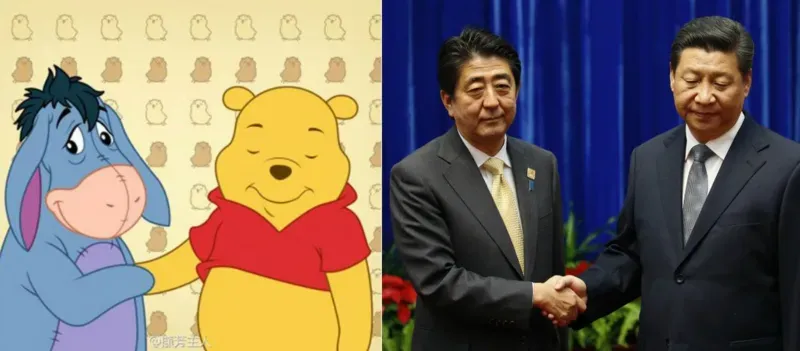
Winnie the Pooh compared to Xi Jinping in a subversive political meme.
It was so effective that government censors eventually banned searches for Winnie the Pooh, scrubbed Pooh stickers from WeChat, and even blocked the Disney movie Christopher Robin from theaters in China!
Summary: Why Digital Linguistics Matters
Next time someone tells you that internet slang is ruining your English, remember these three key ideas:
-
Language is Alive: Slang, memes, and online vernacular aren’t “bad English”—they are rapid, creative linguistic evolution building a global digital lingua franca.
-
Memes express subversion and identity: From building inside jokes with your friends to bypassing political censorship, memes give individuals a powerful voice.
-
Don’t just scroll—analyse: Studying language and literature gives you the tools to decode the digital world, spot algorithmic tricks, and understand why human beings communicate the way we do.
The Open Campus Demo Lecture
The above post is summary of the Open Campus Lecture at Sophia University given by Richard S. Pinner on August 4th 2026.
This 45-minute lecture in English will examine the different ways that the internet is changing language. We will examine the phenomena of Memes and the way they use special vocabulary and grammar in a rapidly-changing way to form a sense of in-group belonging in large online digital spaces. From classic formats like “This is fine” to modern “brainrot” and viral slang, we will see how online trends shape everyday communication. We will also briefly look at how AI and social media algorithms are now generating and spreading these digital trends. Please be advised that some of the language used is mature in nature.
References
Miltner, K. M. (2018). Internet memes. The SAGE handbook of social media, 55, 412-428.